On March 20, 2023, Dodge marked the close of one of the most defining eras in American automotive history while introducing the next.
Held at Las Vegas Motor Speedway, the Dodge “Last Call” performance festival honored the end of the HEMI-powered Dodge Challenger and Charger, two vehicles that shaped modern muscle culture, while signaling Dodge’s electrified performance future.
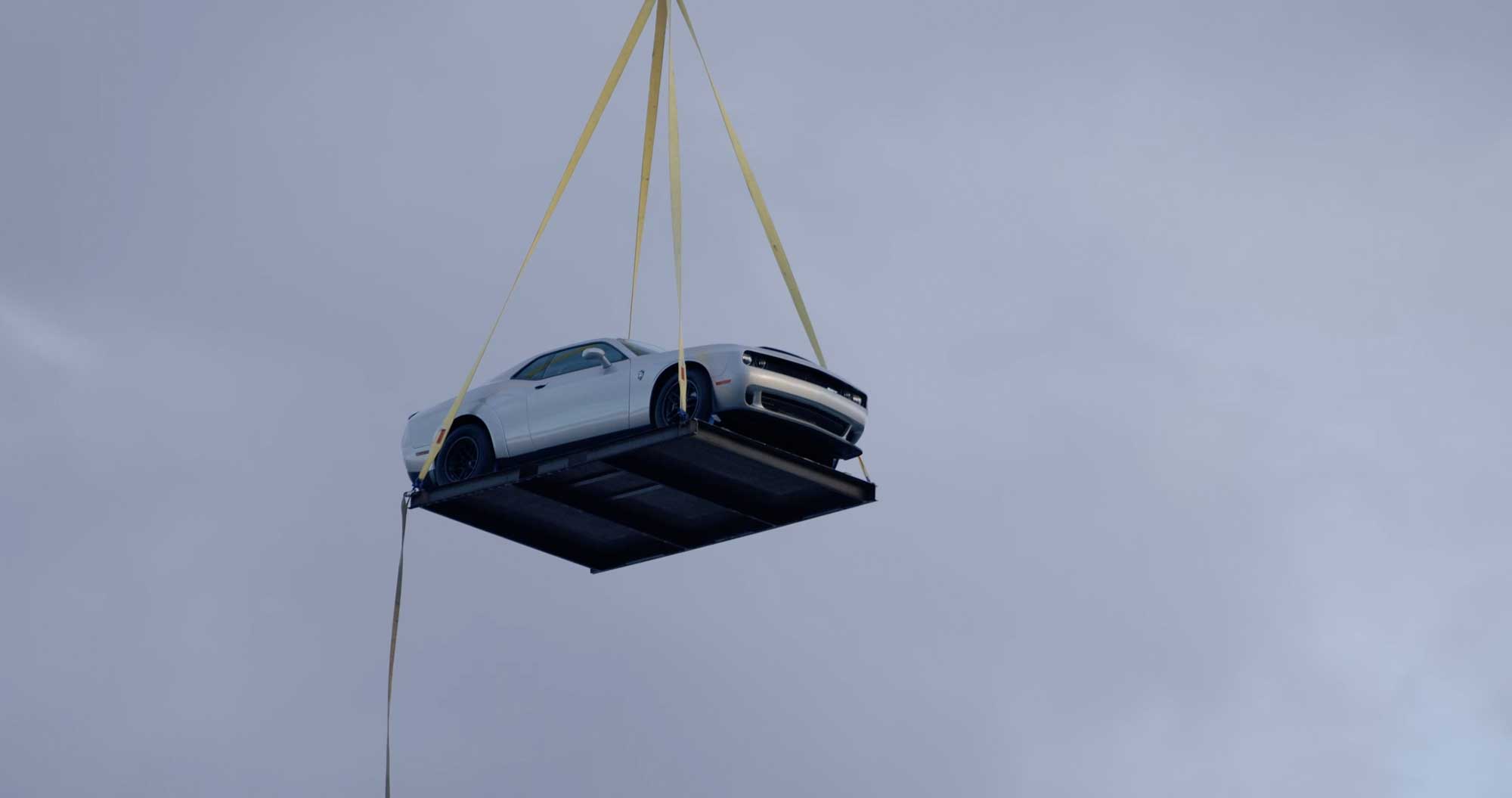
At the center of the moment was the worldwide reveal of the seventh and final Dodge “Last Call” special-edition vehicle, the Dodge Challenger SRT Demon 170. With a record-setting 0 to 60 mph time of 1.66 seconds, the Demon 170 became an instant milestone in performance history.
Alongside it, Dodge previewed the Charger Daytona SRT Concept, a bold redefinition of what muscle performance could become in the electric era.
This was not simply a product reveal. It was a line drawn between eras.
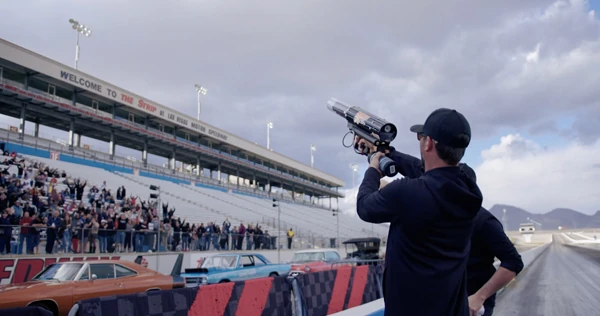
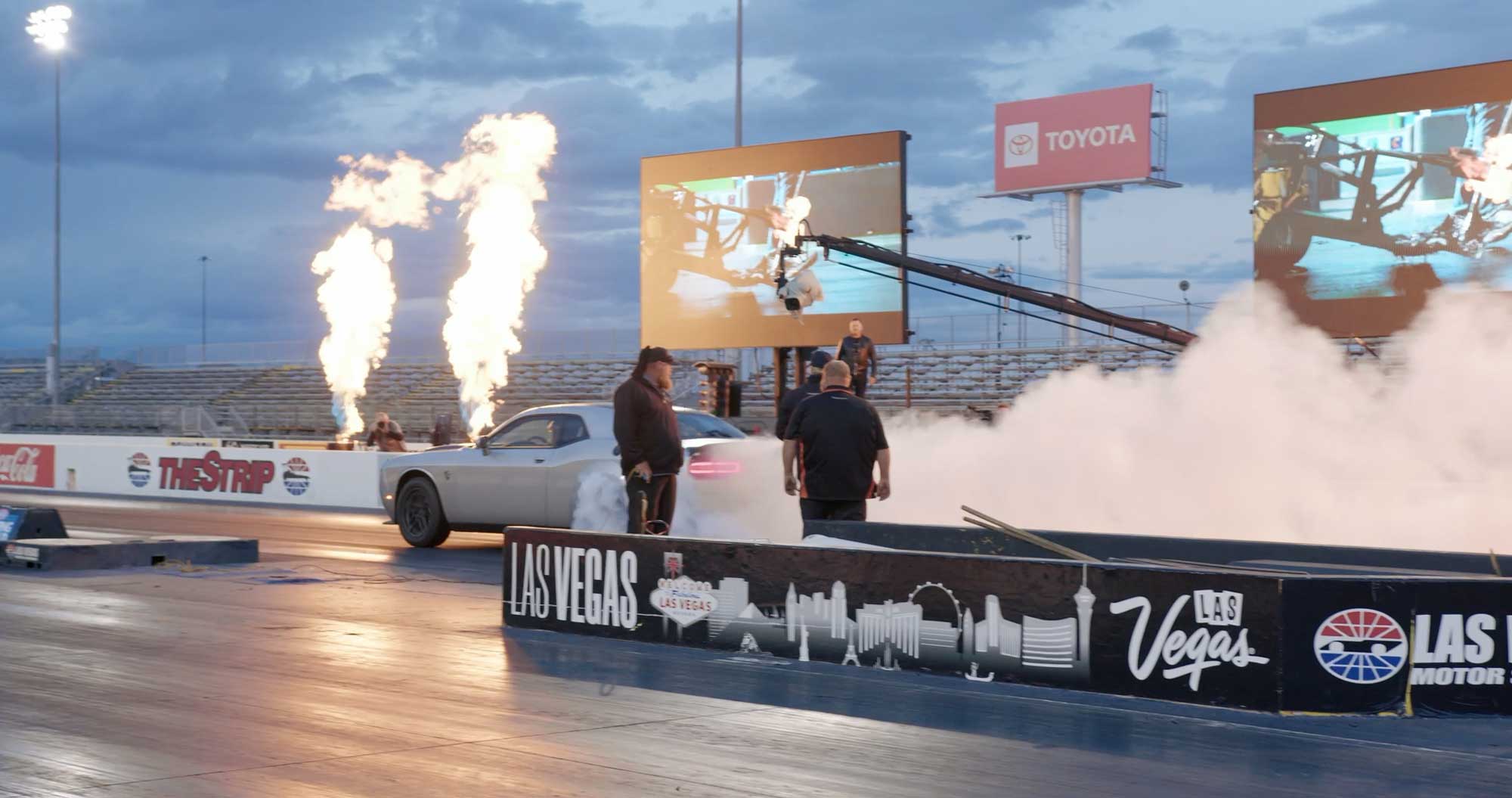
Designed as a full-scale performance festival, Dodge “Last Call” brought together heritage, spectacle, and culture in a single immersive experience.
More than 10,000 enthusiasts gathered for a day that included:
The event was designed to be experienced live and amplified far beyond the venue.
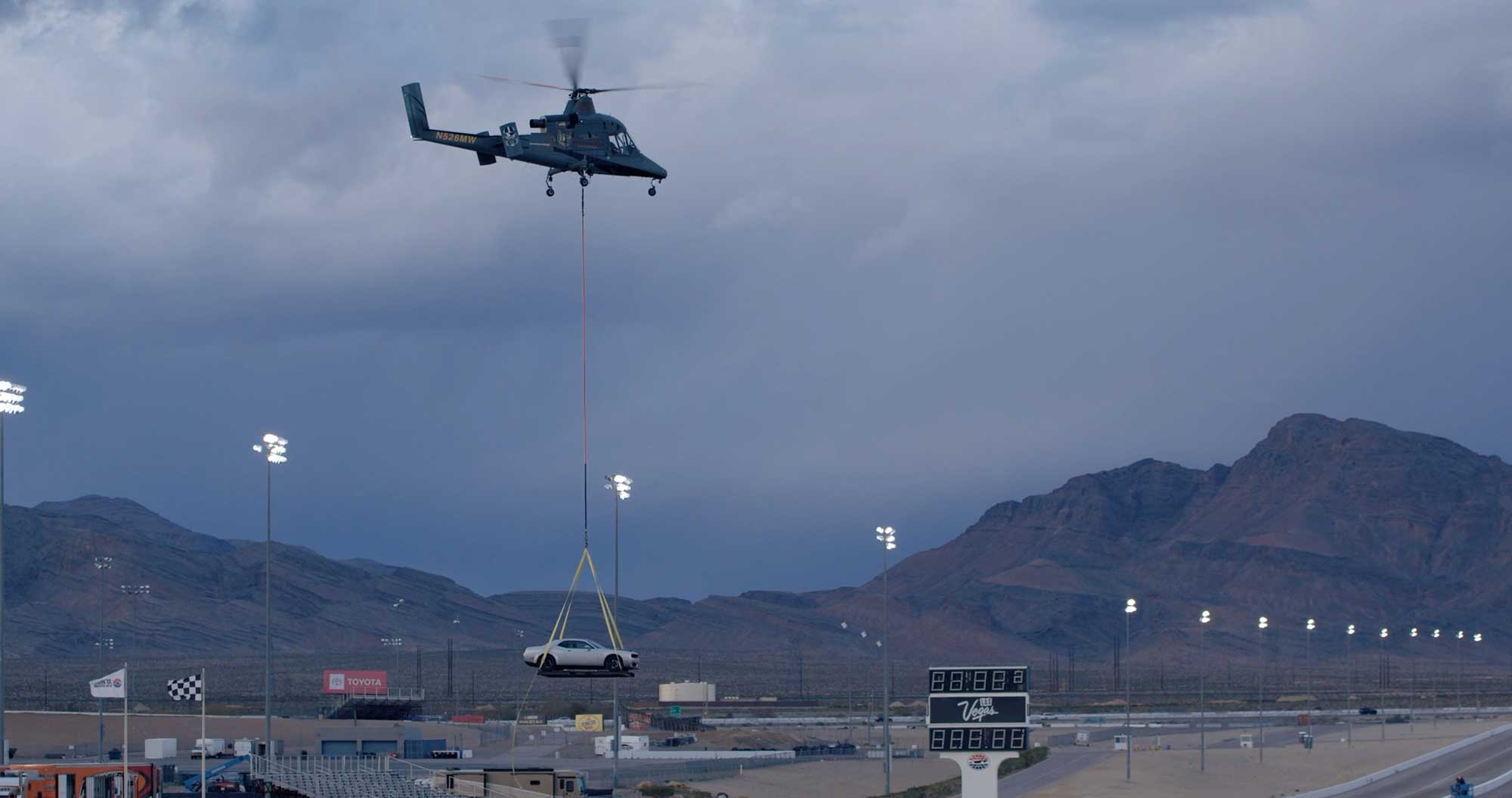

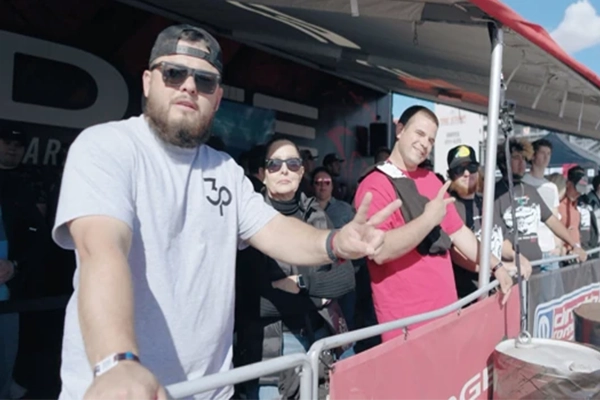
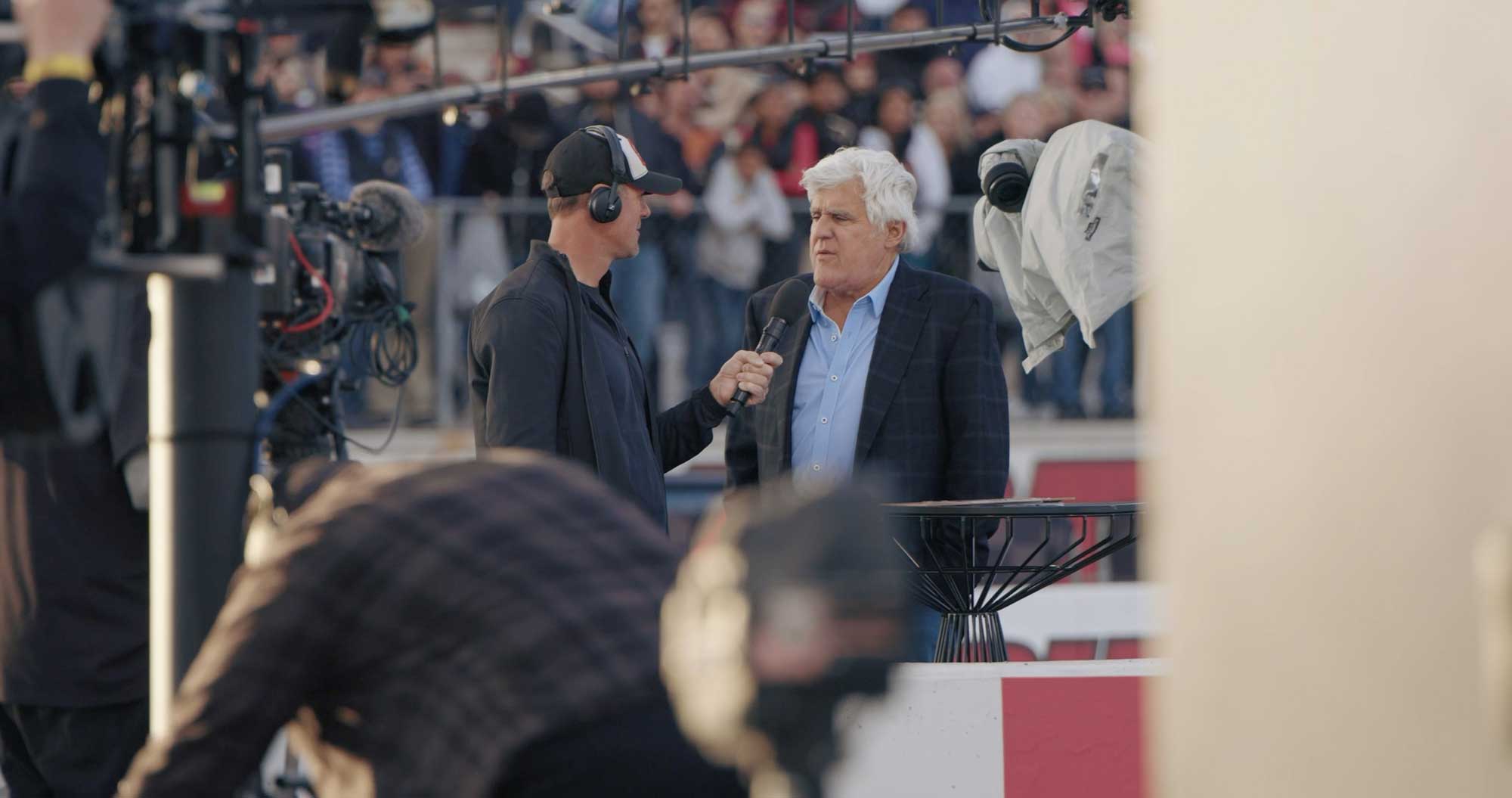
Dodge “Last Call” was a celebration of muscle, attitude, and performance, but it was also a declaration.
As Dodge Brand CEO Tim Kuniskis described it, the moment honored two performance eras, one powered by internal combustion and one electrified, united by a single philosophy. Vehicles that drive like a Dodge, look like a Dodge, and sound like a Dodge.
The moment marked:
This was a once-in-a-generation brand moment and it needed to be felt far beyond the racetrack.
Roadkill Nights and Dodge “Last Call” were already destined to be unforgettable for those in attendance. But the broader challenge remained.
How do you ensure a historic brand moment resonates beyond the Speedway, in real time, on a global stage?
Specifically:
This required more than traditional event marketing. It required amplification at scale.
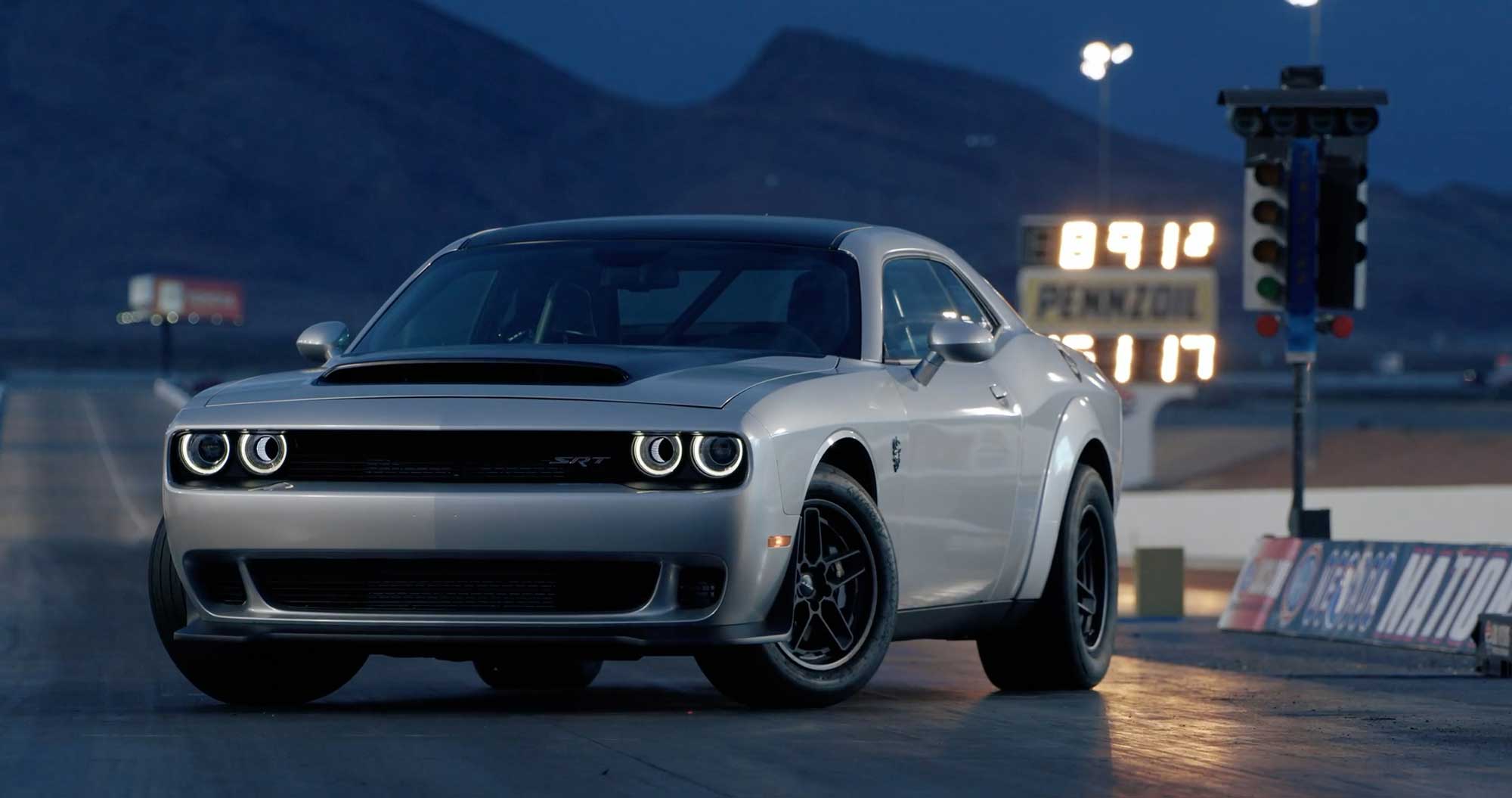
Glow Studio was responsible for delivering the physical live experience at Las Vegas Motor Speedway.
Brands & Brawn partnered with Glow Studio and media partners to ensure the moment extended beyond the track and into culture.
Our strategic insight was straightforward. If Dodge was closing a historic chapter, the city itself should carry the message.
Las Vegas is one of the few places where scale, spectacle, and attention converge. By transforming the Strip into a real-time broadcast platform, the emotional weight and symbolism of “Last Call” could be amplified in one of the most visible cultural environments in the world.
The objective was not just reach. It was presence, timing, and cultural impact.
Working in close collaboration with Glow Studio, Brands & Brawn led the creative direction, visual development, and digital advertising creative execution for the Las Vegas Strip takeover.
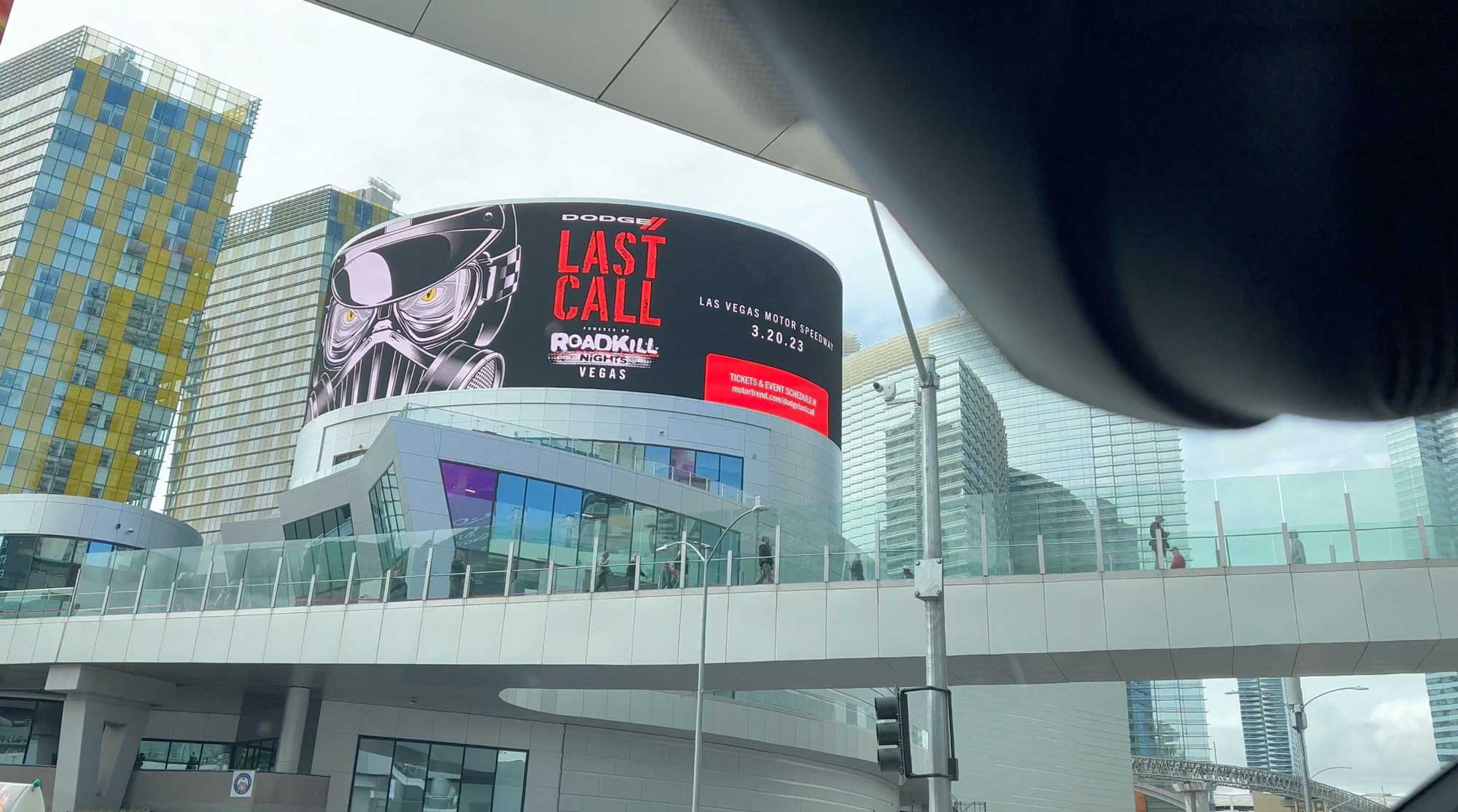
We developed a suite of bold visual assets designed specifically for large-format digital billboards, engineered to perform at scale and align precisely with the tone and intensity of the moment.
Every creative decision reflected Dodge’s muscle-car DNA, its attitude, and the emotional significance of closing an era.
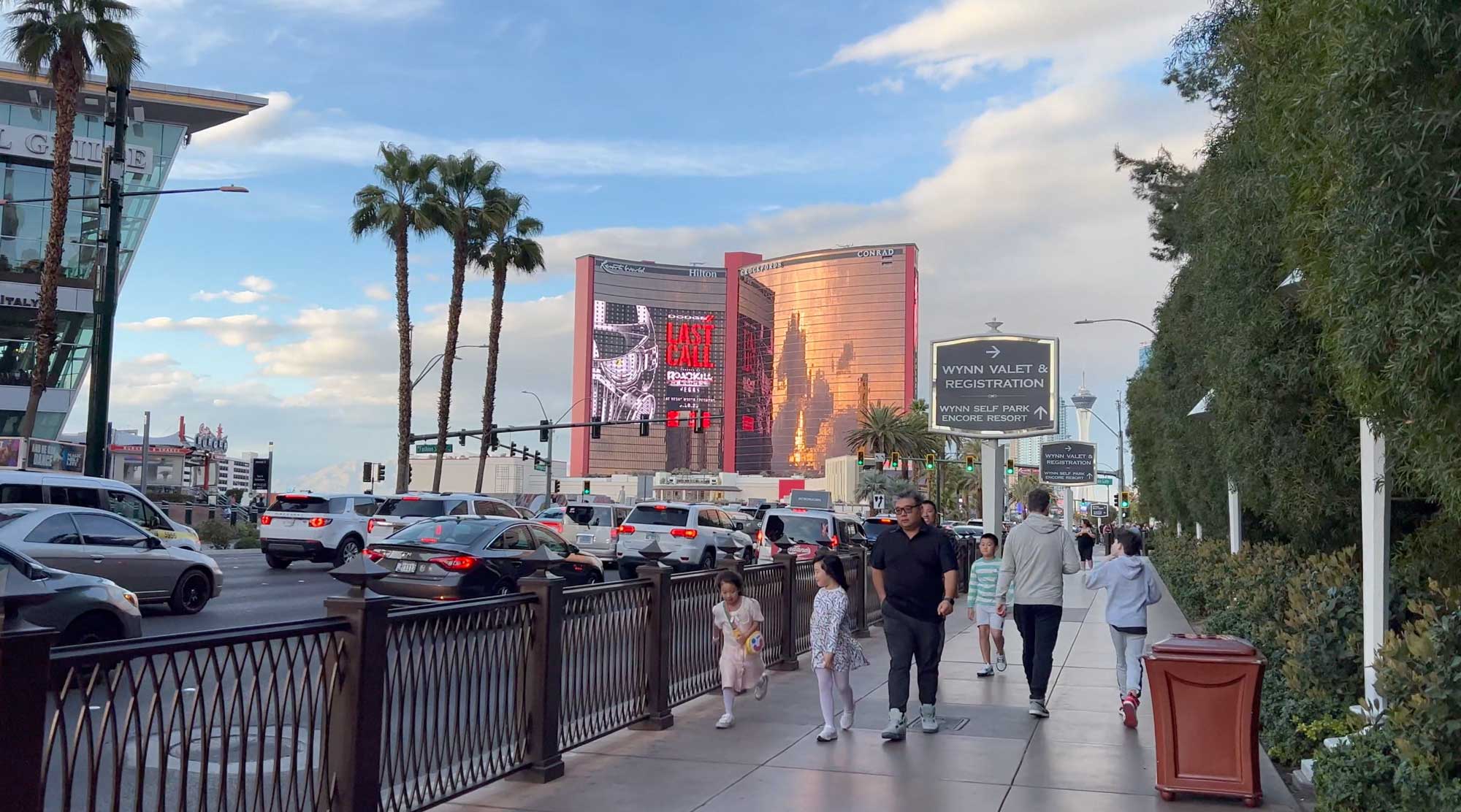
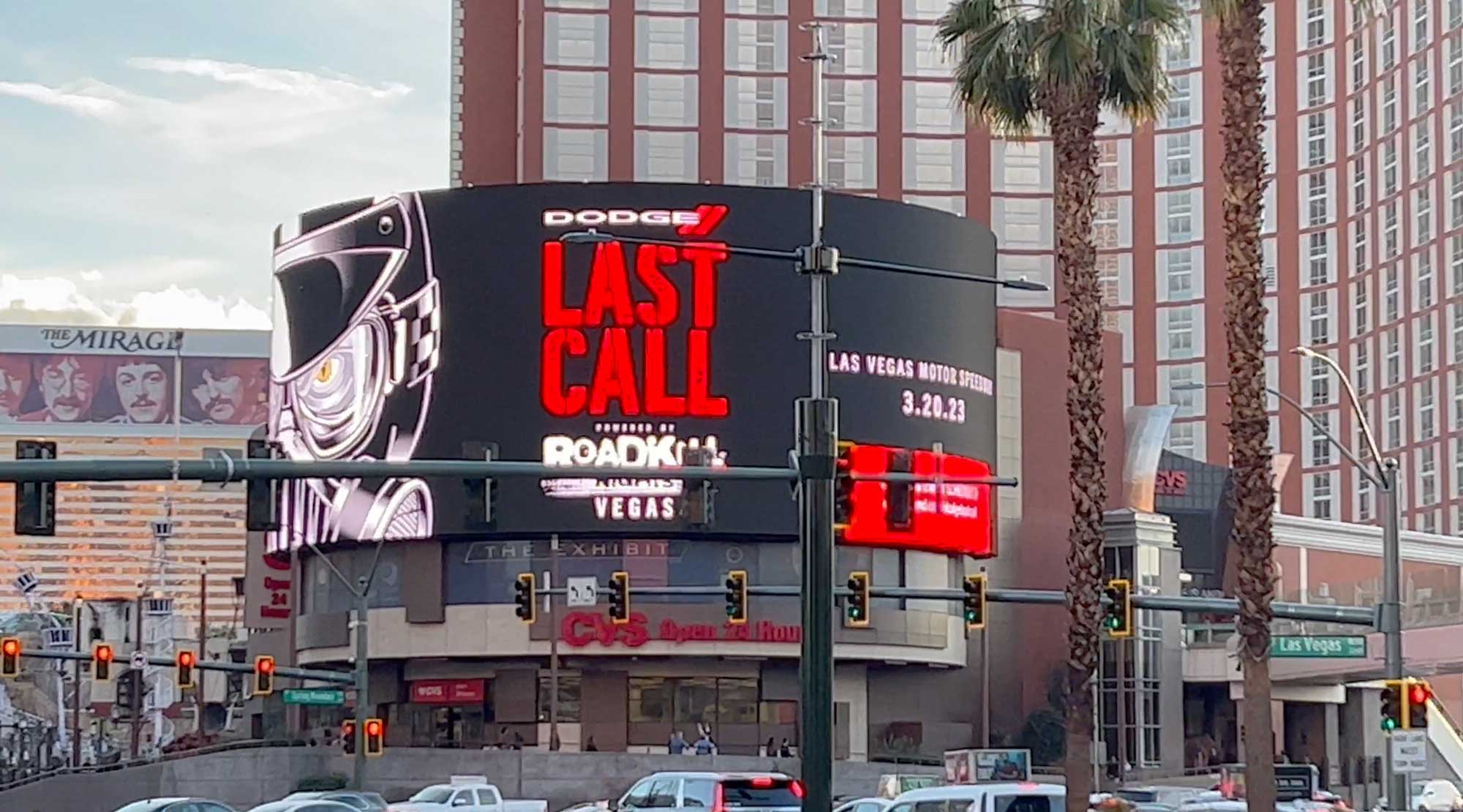
On the day of the event, creative ran across seven high-impact digital billboards positioned throughout the Las Vegas Strip, turning the city into a live broadcast channel that echoed the live experience unfolding at the Speedway.
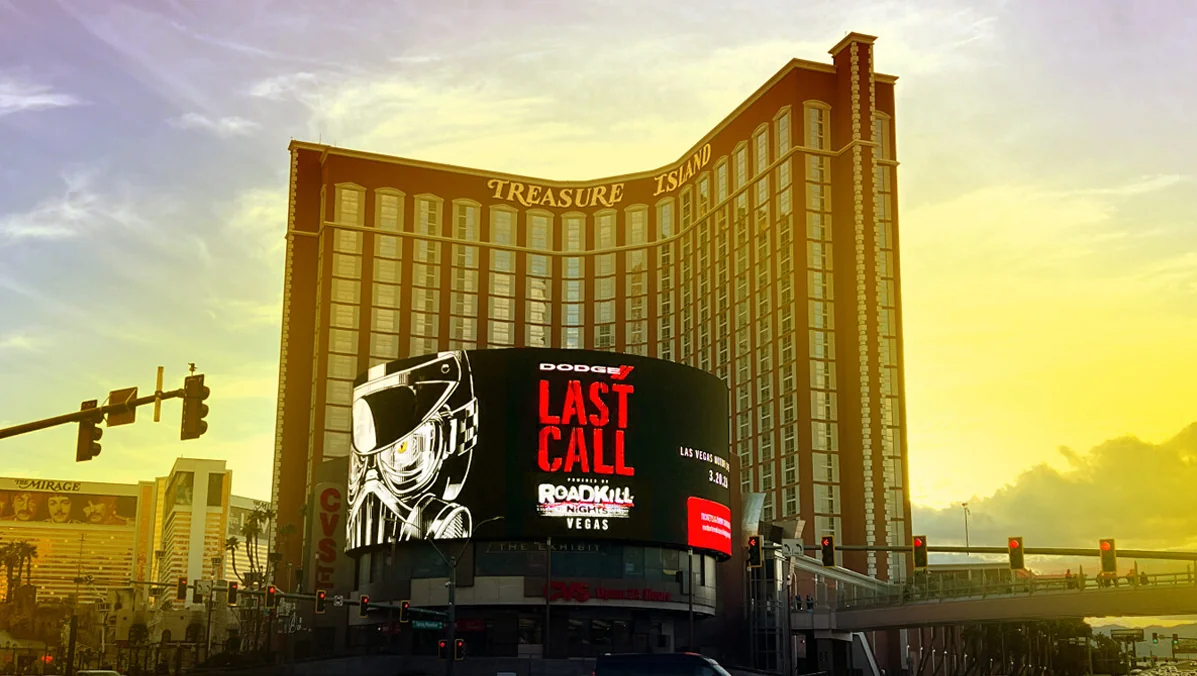
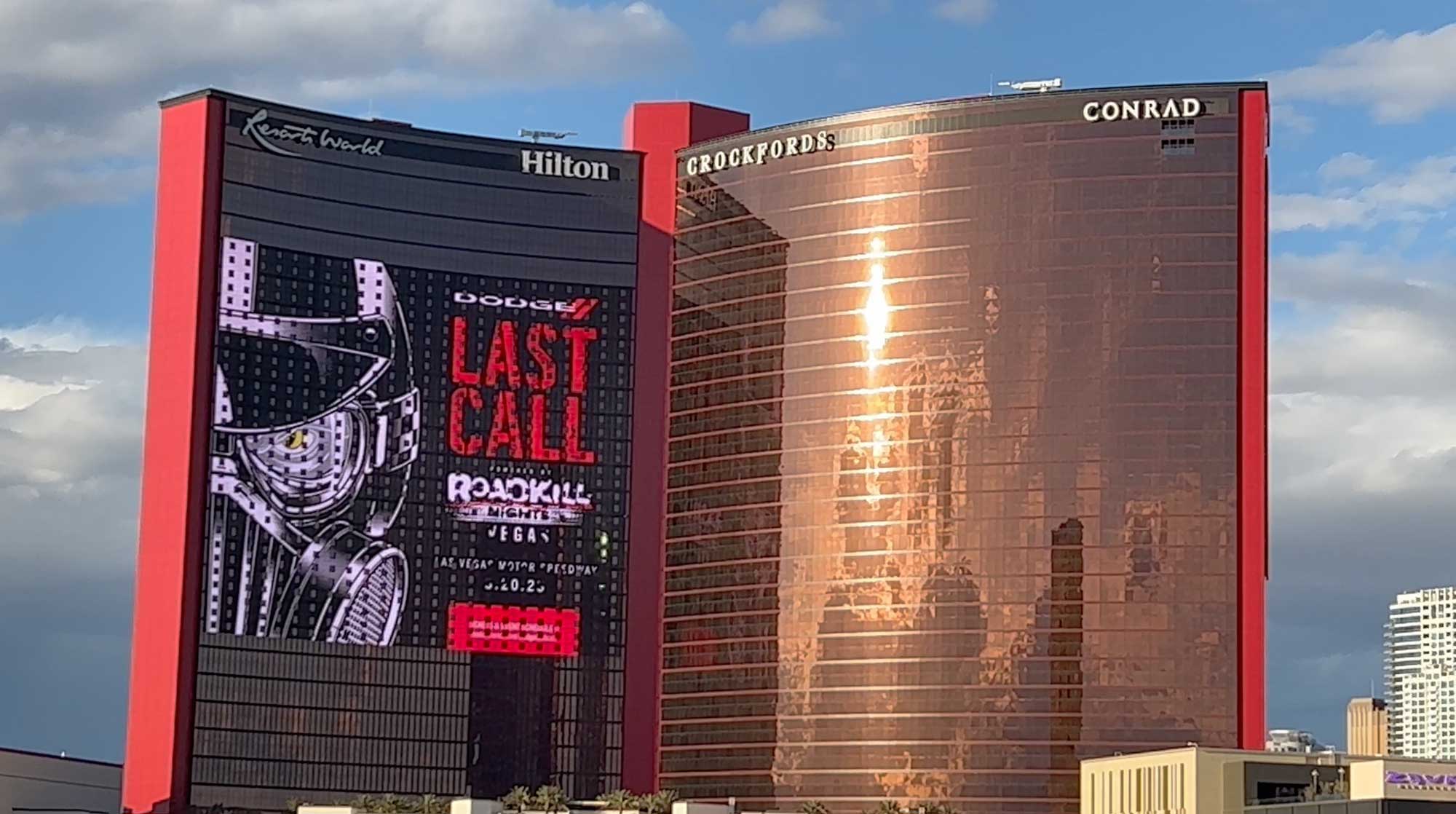
Timing was critical.
Creative deployment was synchronized with the live event schedule, ensuring visuals were active while the festival unfolded. This real-time execution required tight coordination between Brands & Brawn, Glow Studio, and media partners.
The result was a continuous feedback loop between the physical experience delivered by Glow Studio and the city-scale creative amplification led by Brands & Brawn.
The Strip did not simply display creative. It reflected history as it happened.
By extending Dodge “Last Call” beyond the racetrack, Brands & Brawn and media partners helped Glow Studio elevate a one-day performance festival into a city-scale brand broadcast.
The result:
Dodge did not just unveil the end of an era. It experienced it everywhere attention already lived.
This was not just advertising. It was performance culture, written in lights.